Soil Health

Covers

Using Cover Crops Leads to Significant Gains in Water Quality

The ability of cover crops to stimulate microbes deep in the soil of farm fields leads to significant gains in water quality but does not necessarily increase the capacity of soil to store carbon, according to a recently published study from Iowa State University scientists. The study, published in the academic journal Global Change Biology Bioenergy, analyzed soil samples that had undergone a wide range of long-term treatments.
Read More

Learning From Cover Crop Failures

Like all aspects of farming, growing cover crops doesn’t always go as intended. Pennsylvania cover crop expert Steve Groff says that how cover croppers react to failure is critical for learning and doing better the next time. Groff shares ideas on how to deal with several areas where cover cropping can go awry, including weather, herbicides, equipment and management, and shares stories from his own cover crop failures.


Read More

Improve Soil Health & Quality with Cover Crops

Planting cover crops and returning crop residues (stover) to the soil both add nutrients and improve overall soil quality. These practices are common with producers across the Midwest and have been recently studied by researchers to identify how they impact the release of greenhouse gases into the atmosphere.
Read More

Get Double Benefits with Cover Crops as Forages

Many cover crop species can be used as forage while also providing soil health benefits, says Pennsylvania cover crop expert Steve Groff, including hay, baleage and grazing. The type of cover crops to plant depends on your ultimate goal for those cover crops, as that goal can affect seeding rates, planting dates, and fertility.


Read More

Greatest Soil Health Benefits Come From No-Till, Cover Crop Combo

For the last several years, many farmers have been adopting practices to improve the “soil health” of their fields. Often this includes no-till or reduced tillage, and the introduction of cover crops. While the basic soil health concept is relatively uniform, the way the practices are implemented is often very different from operation to operation. Read more in this article from Ohio's Country Journal.
Read More
Water infiltration

Cover Crops Improve Water Infiltration in Soil

Nebraska’s Andrea Basche and a colleague have found that planting perennials and cover crops may substantially improve the ability of soils to soak up heavy rainfall, potentially alleviating the most severe effects of flooding and drought. A synthesis of 89 studies across six continents has helped clarify which agricultural practices hold water when it comes to helping soils soak up precipitation — a factor critical to mitigating floods, outlasting drought and stabilizing crop yields. Read more in this story from The Fence Post.
Read More
worm in soil

To Till or Not to Till

The wet harvest last fall and continued saturated soil conditions this past spring in many parts of the country created a scenario that left many farmers scratching their heads: “To till or not to till…that is the question.”
Read More
NNTC_Logo_2026_4c_Outlined.png

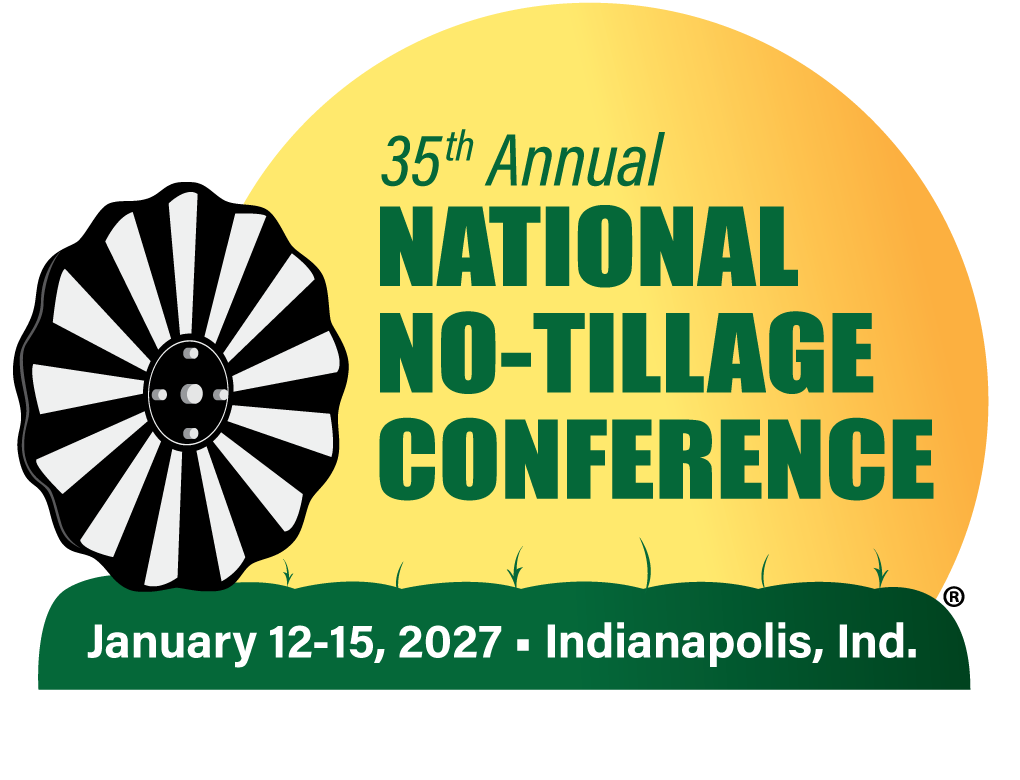
The National No-Tillage Conference returns January 12-15, 2027! Build and refine your no-till system with dozens of new ideas and connections at the 35th Annual National No-Tillage Conference in Indianapolis, Jan. 12-15, 2027. Experience an energizing 4-day agenda featuring inspiring general session speakers, expert-led No-Till Classrooms and collaborative No-Till Roundtables. Plus, Certified Crop Adviser credits will be offered.

Learn More

Top Articles

Must Read Free Eguides

Download these helpful knowledge building tools

View More

Get all things Cover Crop all the time!

Start Your Membership
Top Directory Listings