 RSS
RSS

Soil Health
Getting Started With No-Till Farming
Benefits of Planting Green
Planting green has agronomic & soil health benefits. By allowing cover crops to grow longer, farmers can take advantage of them.
Read More
NDSU Study Finds Livestock Grazing Pays Off in Cover Crop Systems
Mixing crops and animals on the farm is anything but new.
Read More
How to Graze Cover Crops for Healthier Soil and Profitable Farms
Taking your cover crops and soil health to the next level
Read More
Michigan Farmers Share Lessons on Interseeding Cover Crops in Corn & Soybeans
Michigan farmers have found creative ways to get cover crops in earlier. Here are some interseeding tips we have learned from trial (and some error).
Read More

The National No-Tillage Conference returns January 12-15, 2027! Build and refine your no-till system with dozens of new ideas and connections at the 35th Annual National No-Tillage Conference in Indianapolis, Jan. 12-15, 2027. Experience an energizing 4-day agenda featuring inspiring general session speakers, expert-led No-Till Classrooms and collaborative No-Till Roundtables. Plus, Certified Crop Adviser credits will be offered.
Learn MoreTop Articles
Current Issue
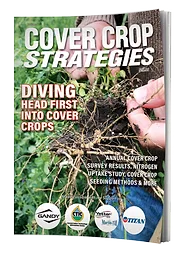
Must Read Free Eguides
Download these helpful knowledge building tools
View MoreVideos
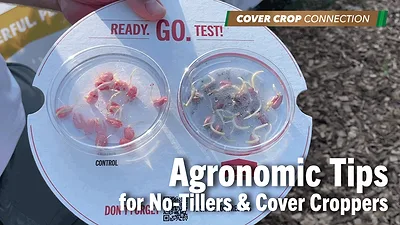
Agronomic Tips for No-Tillers & Cover Croppers
This week we are looking at a clip from Cody Hornaday, a technical agronomist with Koch Agronomic Services, as he explains a few tips that no-tillers and cover croppers should keep in mind for unlocking phosphorus in their soils.
Top Directory Listings

Remlinger Manufacturing Co Inc
Family Owned since 1964 – Remlinger Manufacturing was founded by Wilbur Remlinger in 1964 and the family tradition continues today with Wilbur’s grandson being the current CEO/President. Although the business has expanded and diversified, family remains a core value to the company and is evident in the company culture.
Made in USA – Remlinger Manufacturing is proudly located in Kalida, Ohio. We have dealers located across the US and Canada to conveniently serve our customers.
Quality Driven – With over 60 years of producing farm equipment, we continue our tradition of manufacturing high quality attachments and products to serve farmers around the globe.

Byron Seeds
Byron Seeds LLC is a team of individuals who have a passion for high energy forages, cover crops, and proper farming techniques. Byron personnel seek to understand our clients’ goals so that we may provide the best environment for our clients’ success through research, education, support, and...

I&J Mfg. LLC
Our years of experience and network of dealers make us the ideal choice for your mowing, no-till and horse drawn equipment needs. Use our Dealer Locator to contact your nearest I&J dealer today.