Articles Tagged with ''cereal rye''

[Podcast] Understanding Allelopathy with Cereal Rye When Planting Corn
Many growers avoid planting corn into fields where cereal rye has been seeded over fears that allelopathic issues from decomposing rye will stunt corn growth and ding yields. But Steve Groff believes allelopathy is often misdiagnosed and yellow corn could be related to other management issues.
Read More

Benchmark Study: Cover Crop Acres Increase for 2018 Among No-Tillers
In spite of challenging weather conditions last year, most no-tillers continued to show faith in cover crop benefits.
Read More
No-Till on the Plains
Peer Groups, Cover Crops and Livestock Equals Learning Plus Growth
For the past 3 years, a group of eight Nebraskans has gathered around each other’s kitchen tables to discuss soil health and what steps are needed to improve it.
Read More
Free eGuide
The Pluses and Minuses of Today's Most Popular Cover Crops
Now is the time to choose the right cover crop species to improve YOUR no-till operation. “The Pluses and Minuses of Today’s Most Popular Cover Crops” report reveals how you can pick and utilize the cover crop species that are perfect for your farm, and it’s FREE!
Read More

Cover Crops Vs. Tile: Which Is the Best?
In the spring, cover crops might serve as a less-expensive alternative to tile systems for drying out fields. But tile has its own perks, and the two systems may be best working together.
Read More
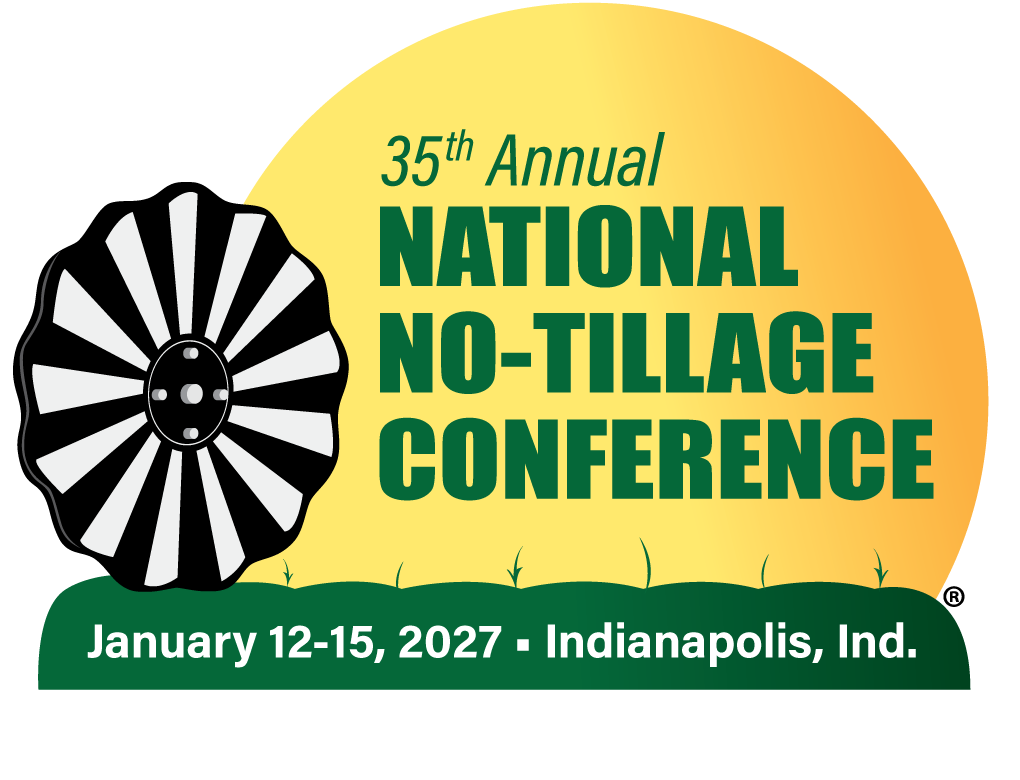
The National No-Tillage Conference returns January 12-15, 2027! Build and refine your no-till system with dozens of new ideas and connections at the 35th Annual National No-Tillage Conference in Indianapolis, Jan. 12-15, 2027. Experience an energizing 4-day agenda featuring inspiring general session speakers, expert-led No-Till Classrooms and collaborative No-Till Roundtables. Plus, Certified Crop Adviser credits will be offered.
Learn MoreTop Articles
Current Issue
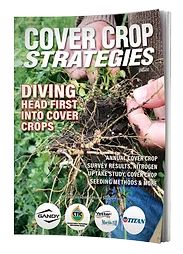
Must Read Free Eguides
Download these helpful knowledge building tools
View MoreVideos
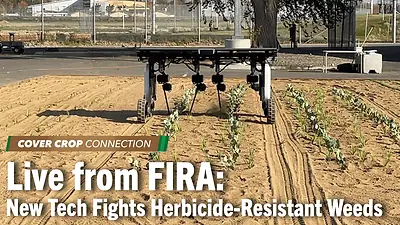
Live from FIRA: New Tech Fights Herbicide Resistant Weeds
I'm in Yakima, Washington this week at FIRA USA where there's always lots of great ag technology on display. Why don't we go take a look at the newest edition of the Aigen robot. We'll hear from Kenny Lee, the CEO of Aigen.