
Cover Crop Strategies editors encounter a variety of articles, social media posts, podcasts and videos that offer a unique look at various aspects of our great agricultural industry. Here is our favorite content from the past week:
- USDA Refreshes Soil Health Resources
- Seeding Cover Crops on a Dairy Farm
- Benefits of Growing a Crop You Can't Sell
- Making Cover Crop Selections to Meet Your Goals
- Exploring The Future of Cattle Grazing
USDA Refreshes Soil Health Resources
The search is over! The USDA Natural Resources Conservation Service (NRCS) has refreshed its online soil health resources to provide an improved user experience with clearer navigation for agricultural producers, technical service providers, the soil health industry and its partners.
NRCS soil health information is now easier to find and use, with stronger integration across soil health topics, connecting technical, programmatic and training resources. Pages are organized by land use, plus dedicated pages for topics including soil health testing, economics, cover crops and more! Click here for practical advice!
Seeding Cover Crops on a Dairy Farm
Wisconsin dairy farmer George Gierok gets ready to seed cover crops following corn silage harvest. He uses a 7510 John Deere tractor pulling a 10-foot Great Plains No-till drill. Gierok seeds a rye and oat cover crop mix to serve as green manure ahead of row crops that he will plant in the spring.
Benefits of Growing a Crop You Can't Sell
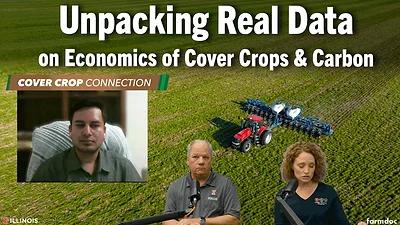
"Growing one crop is hard enough. Now we're supposed to plant another one we can't even sell?" Kelly Garrett remembers his dad asking that exact question about cover crops. And honestly, it's still a pretty good one. Watch this NEW Cover Crop Series with Kelly and TJ Kartes of Bio-Till. They're starting with the basics: What are we actually getting for our money?
Making Cover Crop Selections to Meet Your Goals
Rye + wheat = triticale. If you are seeking the best qualities from both rye and wheat, triticale may be the solution. Triticale is the highest-producing and highest-quality forage option available for fall planting. It'll survive the winter, keeping your soils in place and microbiology housed, then come up in the spring with high amounts of premium forage. It's an excellent option if you're looking for a hay or silage crop.
Exploring The Future of Cattle Grazing
What if you could move cattle with your phone? Mizzou researchers say testing has already revealed virtual fencing works. Now, their research is focused on labor savings, boosting grazing efficiency and turning cover crops into new revenue. Get a glimpse in this video from Farm Journal.
Is there something you want to share in "This Week"? Send us an email.