
Cover Crop Strategies editors encounter a variety of articles, social media posts, podcasts and videos that offer a unique look at various aspects of our great agricultural industry. Here is our favorite content from the past week:
- Feeding the Soil
- Seeding a Cover Crop Following Barley
- Cover Crop Economics
- Interseeding Cover Crops
- Making Conservation Farming Practices Affordable
Feeding the Soil
In this webinar, Dr. Marshall McDaniel, Associate Professor of Soil-Plant Interactions at Iowa State University, explores how cover crops, diversified crop rotations, and perennial groundcovers can improve soil health. Drawing on his research, Dr. McDaniel discusses how these practices influence soil carbon, nitrogen, and microbial biomass, along with considerations for effectively managing perennial groundcovers in corn and corn-soybean systems.
Seeding a Cover Crop Following Barley
Join Tyler as he plants a cover crop of yellow grain peas following his barley harvest. Looking to build soil fertility and reduce erosion, the Northeast Wisconsin hobby farmer embarks on his cover crop journey.
Cover Crop Economics
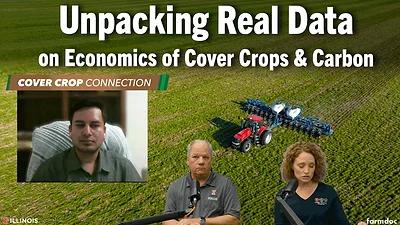
A cover crop plot demonstration could be found at Husker Harvest Day this year. Chad Moyer gets insight from Keith Burns of Green Cover on how cover crops can help with everything from nitrogen adjustment, to soil development and the positive economic impact of cover crops. Keith also shares the questions he asks producers in order to create a winning cover crop mix for their farm.
Interseeding Cover Crops
Interseeding cover crops into late-season corn or soybean fields may help offset challenges like light competition and soil moisture shortages associated with shorter growing seasons. In this video, Austin discusses the whys and hows of interseeding. He also shares the benefits he has seen from implementing this practice.
Making Conservation Farming Practices Affordable
For farmers, adopting conservation practices can mean upfront costs and benefits that take years to develop. In Iowa, an innovative financing model is helping expand the support available to farmers making that transition. Through a sustainability-linked loan, Heartland Co-op can lower its borrowing costs by meeting ambitious conservation goals. Those savings help its conservation team support more farmers adopting nature-based solutions like cover crops and saturated buffers — protecting soil and water for the next generation.
Is there something you want to share in "This Week"? Send us an email.