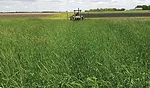

A new study examining crop yields following cover crop and herbicide use helps create a framework for choosing the right approach when trying to suppress weeds in soybeans.
The proposed herbicide strategy was released in July 2023 and outlined the EPA’s plan for meeting ESA obligations with respect to herbicide drift, runoff and/or erosion.
In the Spring, growers may experience challenges when controlling winter annuals weeds or terminating cover crops with glyphosate-based burndown herbicide programs, specifically when glyphosate is sprayed in cool, cloudy weather conditions.
The decision on when to terminate cover crops may affect the overall yield of the upcoming cash crop. Research is showing that a later termination may result in a lower overall yield. However, that doesn’t mean early termination is right for your field.
Legumes still can provide valuable N to today’s cropping systems. Legumes also contribute a non-nitrogen rotation effect due to addition of soil organic matter and improvement in soil health. Corn grown following alfalfa stands that are 2+ years old (and contained at least 50% alfalfa) require no nitrogen fertilizer on many soils. Red clover N credits are less than for alfalfa.
Several months ago experts from Purdue University discussed the herbicide shortage for the 2022 growing season and outlined a couple of scenarios where growers can switch to alternative herbicides to accomplish the same weed control objectives. In this article, they discuss some options for fields that have a mixture of cover crop species growing in them and how to effectively terminate the cover crops before corn or soybean production.
Growers have several options when it comes to cover crop termination, but herbicides are used by 79% of growers, according to the 2021 Cover Crop Strategies benchmark study. A recent multi-state study funded by the United Soybean board evaluated herbicide options.
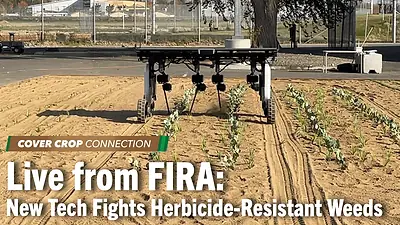
Weed suppressing methods such as crop rotation and cover cropping as non-chemical modes of action. Farmers say they’ve seen herbicide-resistant weeds decrease when using cover crops. Read more in this article from Capital Press.
The National No-Tillage Conference returns January 12-15, 2027!Build and refine your no-till system with dozens of new ideas and connections at the 35th Annual National No-Tillage Conference in Indianapolis, Jan. 12-15, 2027. Experience an energizing 4-day agenda featuring inspiring general session speakers, expert-led No-Till Classrooms and collaborative No-Till Roundtables. Plus, Certified Crop Adviser credits will be offered.
This week we are looking at a clip from Cody Hornaday, a technical agronomist with Koch Agronomic Services, as he explains a few tips that no-tillers and cover croppers should keep in mind for unlocking phosphorus in their soils.
Family Owned since 1964 – Remlinger Manufacturing was founded by Wilbur Remlinger in 1964 and the family tradition continues today with Wilbur’s grandson being the current CEO/President. Although the business has expanded and diversified, family remains a core value to the company and is evident in the company culture.
Made in USA – Remlinger Manufacturing is proudly located in Kalida, Ohio. We have dealers located across the US and Canada to conveniently serve our customers.
Quality Driven – With over 60 years of producing farm equipment, we continue our tradition of manufacturing high quality attachments and products to serve farmers around the globe.
Byron Seeds LLC is a team of individuals who have a passion for high energy forages, cover crops, and proper farming techniques. Byron personnel seek to understand our clients’ goals so that we may provide the best environment for our clients’ success through research, education, support, and...
Our years of experience and network of dealers make us the ideal choice for your mowing, no-till and horse drawn equipment needs. Use our Dealer Locator to contact your nearest I&J dealer today.