Editors' Picks

Better Cover Management

Cover crops are widely seen as one of the most promising conservation practices, improving soil health while also removing carbon from the atmosphere. But while the number of Midwestern farmers planting cover crops has increased markedly in recent years, 2017 USDA Census data show only about 5% have adopted the conservation practice. Read more in this article from KMA Land.
Read More

On-farm Research Indicates Importance of Cover Crops for Soil Health

Extending the presence of living vegetative cover to more months of the year through the use of cover crops has several environmental benefits — for example, prevention of soil erosion and nutrient leaching, improvement of soil microbial habitat and weed/pest suppression. But how much does including cover crops on farms improve physical, chemical and biological indicators of soil health? Read more in this article from University of Nebraska Extension.
Read More

USDA NRCS Announces New EQIP Cover Crop Initiative

The U.S. Department of Agriculture (USDA) Natural Resources Conservation Service (NRCS) is announcing several new and expanded opportunities for climate smart agriculture in 2022. Updates include nationwide availability of the Environmental Quality Incentives Program (EQIP) Conservation Incentive Contracts option, a new and streamlined EQIP Cover Crop Initiative, and added flexibilities for producers to easily re-enroll in the Conservation Stewardship Program (CSP). Read more in this press release from NRCS.
Read More

More Data Needed on Covers

Even after spending more than a decade using cover crops and dedicating their farm to the practice, Kyle Grumke, a western Missouri corn, soybean and forage grower admits that sometimes picking cover crop seed isn’t top-of-mind until right when it’s needed. “I really need to be working on getting the seed I need on hand for fall in that July time frame,” he says. Read more in this article from Seed World.
Read More

Winter Cereals Are a Forage Option

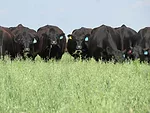
The drought of 2021 left many ranchers short of feed, both grazing forage and hay. A great option for spring grazing or hay production is winter cereals. Read this article from North Dakota State University.
Read More
NNTC_Logo_2026_4c_Outlined.png

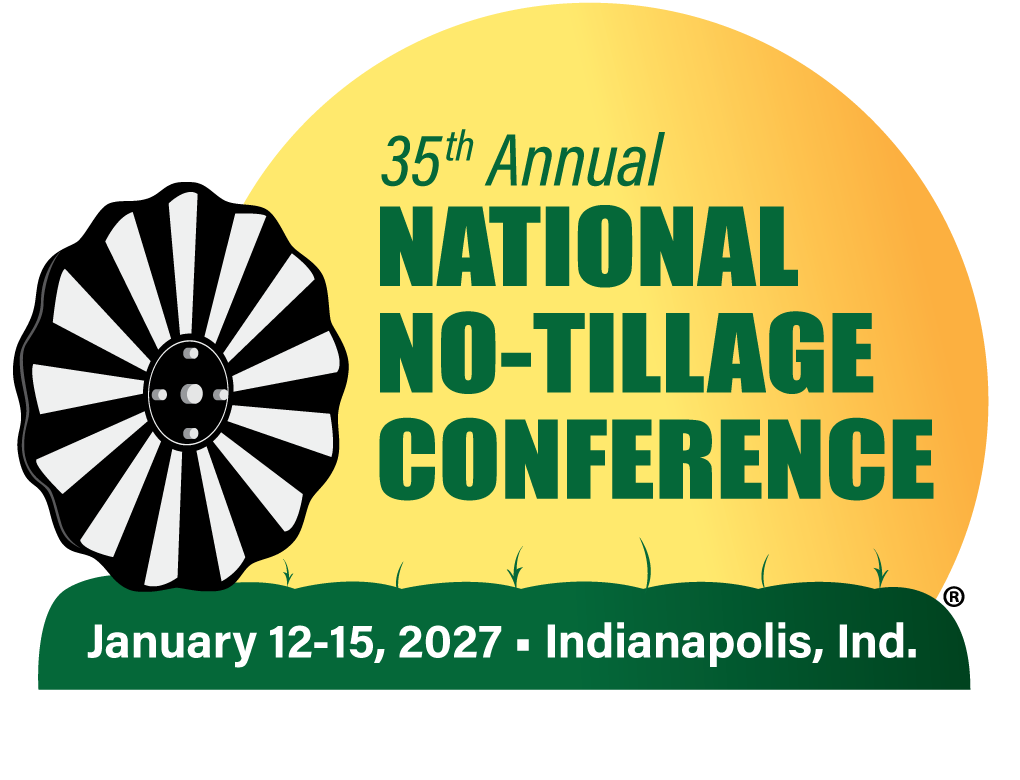
The National No-Tillage Conference returns January 12-15, 2027! Build and refine your no-till system with dozens of new ideas and connections at the 35th Annual National No-Tillage Conference in Indianapolis, Jan. 12-15, 2027. Experience an energizing 4-day agenda featuring inspiring general session speakers, expert-led No-Till Classrooms and collaborative No-Till Roundtables. Plus, Certified Crop Adviser credits will be offered.

Learn More

Top Articles

Must Read Free Eguides

Download these helpful knowledge building tools

View More

Get all things Cover Crop all the time!

Start Your Membership
Top Directory Listings