
Editors' Picks

Cover crops

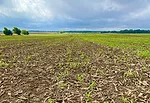
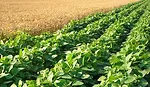
Cover Crops More Effective Than Insecticides for Managing Pests, Study Suggests

Promoting early season plant cover, primarily through the use of cover crops, can be more effective at reducing pest density and crop damage than insecticide applications, according to a Penn State-led team of researchers.

In a newly published study, the researchers suggest that the best pest management outcomes may occur when growers encourage biological control — in the form of pests' natural enemies — by planting cover crops and avoiding broad-spectrum insecticides as much as possible.


Read More
Cattle grazing covers

Beef Specialist Offers Spring Grazing Tips

As fields start to green up from last fall’s cover crops, cattle producers can’t wait to get cows out of calving yards and onto fresh grass. Denise Schwab, Iowa State University Extension beef specialist, offers five tips when grazing cover crops.


Read More
radish exhibiting signs of compaction

Living Roots: Fighting Soil Compaction with Biology and Diversity

A recent study by Anthony Bly of South Dakota State University found that no-till fields managed with diversified crop rotation, cover crops, and livestock integration had 57% porosity and an internal water movement rate of 4.7 inches per hour. Soil from conventionally tilled fields had 49% porosity and an internal water movement rate of only 0.8 inches per hour.
Read More

What “Type” of Cover Crop Farmer Are You?

A 2021 study by Iowa State University scholars entitled “Developing farmer typologies to inform conservation outreach in agricultural landscapes” groups farmers into four typologies or personalities depending on their approach to conservation. Read more in this article from Iowa Learning Farms.
Read More

Significant Changes in Cost of Production for 2022 Crops

For the 2022 crop production year, eighty-four Nebraska crop budgets, including two cover crops and a pasture budget, were prepared by crop specialists and extension economists at the University of Nebraska -Lincoln. Higher fuel, fertilizer and pesticide costs are the main drivers of projected production cost increases for crops produced in 2022. Read more in this article from the University of Nebraska.
Read More

Nebraska Research Studying Benefits of Grass Restoration Amid Cropland

University of Nebraska–Lincoln researchers are leading a study of how a targeted restoration of perennial grasses amid cropland could bring about a variety of benefits, ranging from reduction in water and fertilizer use to expansion of wildlife habitat to encouragement of new bioenergy industry. The four-year, $4 million project will be conducted on University of Nebraska research plots and 12 to 15 on-farm sites in the Republican River Basin in west central and western Nebraska, said Daren Redfearn, the Husker forage systems specialist leading the work. Read more in this article from the University of Nebraska.
Read More
flaming cover crop for termination

Studies Show Flaming Aids Cover Crop Termination

Italian researchers added a fire-based technique to up roller-crimper effectiveness and timeliness.

Cover croppers seeking to improve the effectiveness of using a roller-crimper to terminate standing covers ahead of the planter may want to consider adding flames to the procedure.


Read More
NNTC_Logo_2026_4c_Outlined.png

The National No-Tillage Conference returns January 12-15, 2027! Build and refine your no-till system with dozens of new ideas and connections at the 35th Annual National No-Tillage Conference in Indianapolis, Jan. 12-15, 2027. Experience an energizing 4-day agenda featuring inspiring general session speakers, expert-led No-Till Classrooms and collaborative No-Till Roundtables. Plus, Certified Crop Adviser credits will be offered.

Learn More

Top Articles

Must Read Free Eguides

Download these helpful knowledge building tools

View More

Get all things Cover Crop all the time!

Start Your Membership
Top Directory Listings