What happens when beneficial microbes establish within a plant—and why that relationship is central to ENAI’s approach to biologicals. Brought to you by Indigo Agriculture.
There are definite payoffs for growers who can ensure the biological degradation process occurs with residue ahead of the next growing season, says Dennis Klockenga.
The USDA said it will be using NRCS’s locally led conservation model to allow State Technical Advisory Committees to add conservation practices that reflect local resource concerns, production systems, and producer needs.
A number of factors, including biological and biochemical characteristics of the plant, chemical characteristics of the herbicide, and weather conditions will influence cover crop response to herbicides.
BASF Agricultural Solutions announced organizational and leadership changes designed to further strengthen its customer focus, simplify decision-making processes and support the company's continued transformation into a standalone business.
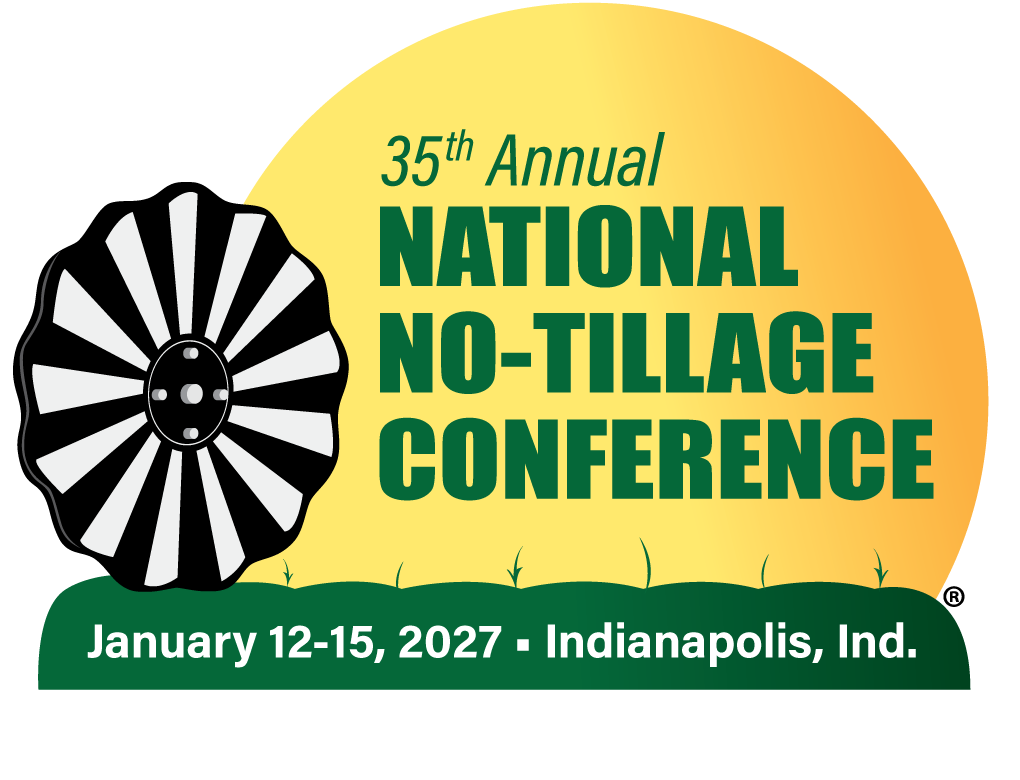
The National No-Tillage Conference returns January 12-15, 2027!Build and refine your no-till system with dozens of new ideas and connections at the 35th Annual National No-Tillage Conference in Indianapolis, Jan. 12-15, 2027. Experience an energizing 4-day agenda featuring inspiring general session speakers, expert-led No-Till Classrooms and collaborative No-Till Roundtables. Plus, Certified Crop Adviser credits will be offered.
Last month I had the chance to visit with Douglas Poole on his farm in Waterville, Wash., where he is proving that no-till, cover crops and a regenerative farming system can not only work, but thrive in his part of the country.