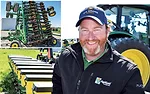
Cover crops, pollinator strips and compost are among the tools Kelly Kettner uses to improve organic matter and stretch irrigation resources on his 5,000-acre operation in the Texas Panhandle.
This website from the Midwest Cover Crops Council can help Kansas growers determine which cover crops are the best options, based on field conditions and other factors.
This week’s edition of Dryland No-Tiller seems to illustrate that it’s never too late for no-tillers to explore new options that can improve the diversity of their farm operations and increase profitability.
A little nudging from the former owners of some of our farms helped move us to 100% no-till in the early 1980s. A little more nudging and before you know it we were diversifying our farm — and a large percentage of our neighboring farms — with cover crops.
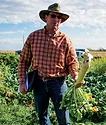
While growers across the U.S. are experimenting with integrating cover crops into their rotations as a source of livestock forage, few do it with as much flair as Bill Buessing.
A Montana State University researcher says no-till practices and a trend toward removal of fallowed acres may be contributing to cooling in the northern Plains that contradicts the so-called global warming trend.
Recently I spent some time driving east from Oklahoma to southeastern Missouri to visit some farmers in the Delta region for our magazine. I’ve heard of some soil erosion problems occurring in the Delta, which includes the Bootheel region of southeastern Missouri where corn, popcorn, cotton, soybeans and wheat are popular.
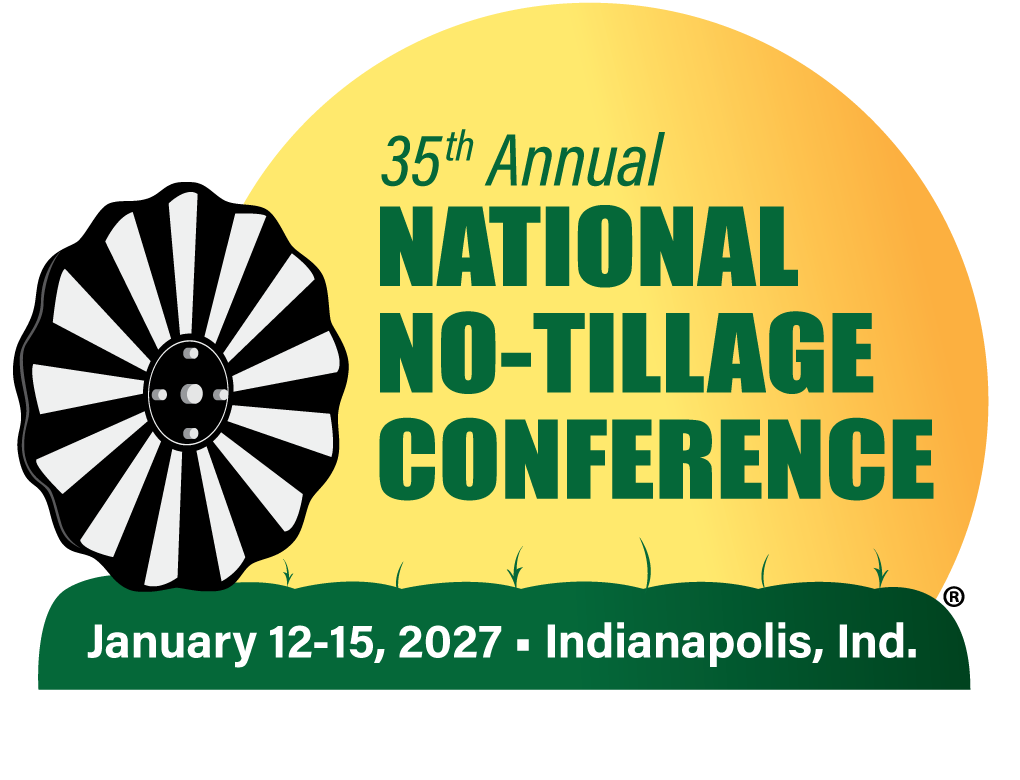
The National No-Tillage Conference returns January 12-15, 2027!Build and refine your no-till system with dozens of new ideas and connections at the 35th Annual National No-Tillage Conference in Indianapolis, Jan. 12-15, 2027. Experience an energizing 4-day agenda featuring inspiring general session speakers, expert-led No-Till Classrooms and collaborative No-Till Roundtables. Plus, Certified Crop Adviser credits will be offered.
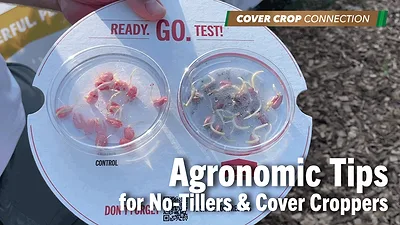
This week we are looking at a clip from Cody Hornaday, a technical agronomist with Koch Agronomic Services, as he explains a few tips that no-tillers and cover croppers should keep in mind for unlocking phosphorus in their soils.
Family Owned since 1964 – Remlinger Manufacturing was founded by Wilbur Remlinger in 1964 and the family tradition continues today with Wilbur’s grandson being the current CEO/President. Although the business has expanded and diversified, family remains a core value to the company and is evident in the company culture.
Made in USA – Remlinger Manufacturing is proudly located in Kalida, Ohio. We have dealers located across the US and Canada to conveniently serve our customers.
Quality Driven – With over 60 years of producing farm equipment, we continue our tradition of manufacturing high quality attachments and products to serve farmers around the globe.
Byron Seeds LLC is a team of individuals who have a passion for high energy forages, cover crops, and proper farming techniques. Byron personnel seek to understand our clients’ goals so that we may provide the best environment for our clients’ success through research, education, support, and...
Our years of experience and network of dealers make us the ideal choice for your mowing, no-till and horse drawn equipment needs. Use our Dealer Locator to contact your nearest I&J dealer today.