Four competitive grant programs open for farmers, researchers, and educators pursuing sustainable agricultural innovations.
October 6, 2026
The North Central Region-Sustainable Agriculture Research and Education (NCR-SARE) program currently has four open grant programs to fund research and education projects that advance sustainable agricultural practices in the region.
Incorporating cereal rye after corn in a corn-soybean rotation can be a valuable management tool to scavenge residual nitrogen (N), reduce soil erosion and evaporation, and suppress weeds.
A number of factors, including biological and biochemical characteristics of the plant, chemical characteristics of the herbicide, and weather conditions will influence cover crop response to herbicides.
At the 2010 National No-Tillage Conference, Howard Buffet challenged farmers to grow more grains and meat to help feed an ever-growing world population.
“For the first shovel out of the ground to find an earthworm, that’s just unheard of in Arizona,” Robert Boyle says. Editor Noah Newman shares more observations from his visit with the Strip-Till Innovator in Coolidge, Ariz.
Legumes do have the ability, when conditions are right, to fix large amounts of nitrogen, no doubt about that. To capture the most of that fixed nitrogen, the legume should be cycled back into the soil through plant decay or by grazing and cycling through the animal and back to the soil.
Each month, the conservation ag group at Cornell University offers an analysis of the latest scientific papers dealing with conservation agriculture research from around the world. For this on-going web series, our editors will be selecting several research papers from the Cornell list that will be of special interest to North American no-tillers, strip-tillers and cover croppers.
Managing editor Noah Newman checks in from Strip-Till Farmer headquarters with a big announcement about the 2026 National Strip-Tillage Conference program.
Each month, the conservation ag group at Cornell University offers an analysis of the latest scientific papers dealing with conservation agriculture research from around the world. For this on-going web series, our editors will be selecting several research papers from the Cornell list that will be of special interest to North American no-tillers, strip-tillers and cover croppers.
Sixty years of crop diversification with perennials improves yields more than no-tillage in Ohio grain cropping systems
Conservation Tillage Practices on GHG Emissions, Soil Health and Overall Agricultural Sustainability
Long-term continuous no-till corn-soybean systems: Examining soil carbon sequestration and nitrogen accumulation across various pools
Assessing the agricultural, environmental, and economic effects of crop diversity management: A comprehensive review on crop rotation and cover crop practices
Cover Crops Optimize Soil Fertility and Soybean Productivity in the Cerrado of MATOPIBA, Brazil
Short-term no-tillage improves soil water retention and maintains soil aeration at high moisture conditions despite reduced macroporosity
Tillage Radish as Cover Crop Improves Soil Health Indicators Depending on Pedoclimatic Conditions.
The Basses’ switch to the new system couldn’t have come at a better time. Just a few weeks after planting pumpkins into the strips, a “1,000-year” rain event dumped a foot of rain on their farm in less than a day.
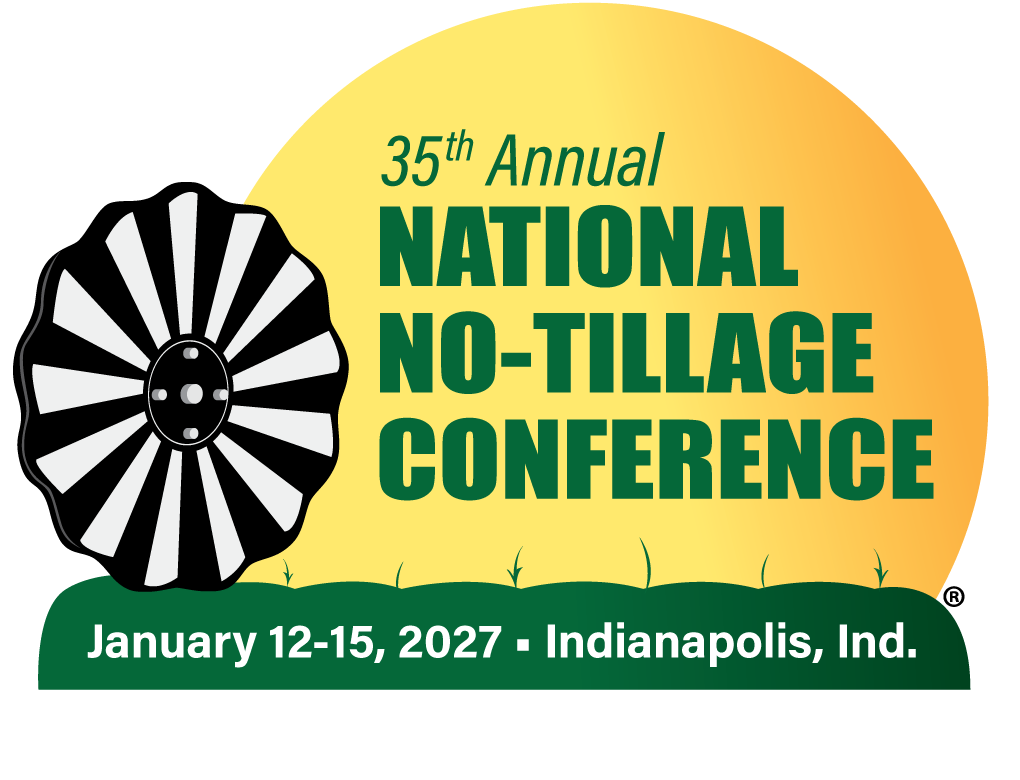
The National No-Tillage Conference returns January 12-15, 2027!Build and refine your no-till system with dozens of new ideas and connections at the 35th Annual National No-Tillage Conference in Indianapolis, Jan. 12-15, 2027. Experience an energizing 4-day agenda featuring inspiring general session speakers, expert-led No-Till Classrooms and collaborative No-Till Roundtables. Plus, Certified Crop Adviser credits will be offered.
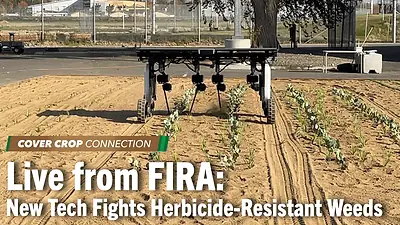
I'm in Yakima, Washington this week at FIRA USA where there's always lots of great ag technology on display. Why don't we go take a look at the newest edition of the Aigen robot. We'll hear from Kenny Lee, the CEO of Aigen.