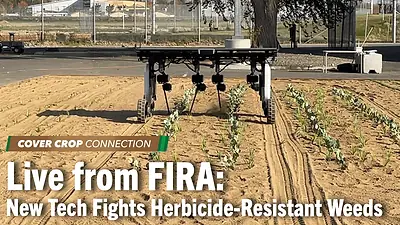

In this video from University of Arkansas Extension, grower Adam Chappell explains how he selects cover crop species, how timing of cover crop seeding affects cover crop species selection, why growers should choose cover crops based on their goals, and more.
There are a variety of agricultural research trials in Ontario, but one that stands out from the rest is the long-term cover crop trial set up by Dr. Laura Van Eerd in Ridgetown, Ontario. This trial was established in 2007 and has had consistent cover crop treatments within a processing vegetable-grain crop rotation on the same plot since then.
Most vegetable legume growers have yet to adopt cover crops due to the potential for reduced germination and yield in thick residue. But a new study from the University of Illinois and the U.S. Department of Agriculture’s Agricultural Research Service shows early-terminated rye could be a promising part of an integrated weed management program for some vegetable legumes, including edamame. Read more in this article from the Herald-Whig (Quincy, IL).
For vegetable growers, weeds can mean lost income from reduced yield and foreign plant matter contaminating the harvest. But for many crops, particularly vegetable legumes, weed management options are very limited. Read more in this press release from the University of Illinois.
Florida vegetable farmers who grow cover crops as a green manure between their cash crops anecdotally tout the health benefits, but a two-year study by University of Florida has provided the research to back it up. In a Southern Sustainable Agriculture Research and Education (SSARE) On-Farm Research Grant, University of Florida soil health expert Jehangir (Jango) Bhadha shadowed the cover crop practices of eight farmers across the state to measure the benefits of using cover crops (mainly cow pea and sunn hemp) as a soil amendment and nutrient source for subsequent cash crops.
This year’s cover crop of barley and wheat is designed to put nutrients back into this plot of Western Oklahoma soil. Picking through a small box full of small seeds, farmer Jimmy Emmons points out, “There’s squash in here. There’s peas in here.” Read more in this article from Oklahoma News 4.
The National No-Tillage Conference returns January 12-15, 2027!Build and refine your no-till system with dozens of new ideas and connections at the 35th Annual National No-Tillage Conference in Indianapolis, Jan. 12-15, 2027. Experience an energizing 4-day agenda featuring inspiring general session speakers, expert-led No-Till Classrooms and collaborative No-Till Roundtables. Plus, Certified Crop Adviser credits will be offered.
In our latest edition of the No-Till Farmer Newsletter, you may have seen our No-Till Innovator Special Report which includes tips and advice from expert no-tillers, agronomists and researchers.
Family Owned since 1964 – Remlinger Manufacturing was founded by Wilbur Remlinger in 1964 and the family tradition continues today with Wilbur’s grandson being the current CEO/President. Although the business has expanded and diversified, family remains a core value to the company and is evident in the company culture.
Made in USA – Remlinger Manufacturing is proudly located in Kalida, Ohio. We have dealers located across the US and Canada to conveniently serve our customers.
Quality Driven – With over 60 years of producing farm equipment, we continue our tradition of manufacturing high quality attachments and products to serve farmers around the globe.
Byron Seeds LLC is a team of individuals who have a passion for high energy forages, cover crops, and proper farming techniques. Byron personnel seek to understand our clients’ goals so that we may provide the best environment for our clients’ success through research, education, support, and...
Our years of experience and network of dealers make us the ideal choice for your mowing, no-till and horse drawn equipment needs. Use our Dealer Locator to contact your nearest I&J dealer today.