With increasing use of cover crops for different goals, we receive more questions each year regarding potential impacts of different herbicide programs on cover crops.
The editors of No-Till Farmer, Strip-Till Farmer and Cover Crop Strategies assembled this web page to serve as a source for growers looking for options on prevented-planting acres in the U.S. and potentially find sources of disaster aid.
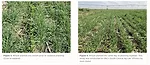
When planting cover crops, there are three factors to keep in mind in the context of using herbicides to control weeds: the herbicide half-life, the amount of rainfall received and the amount of organic matter.
Herbicides can be tricky to work around when cover crops are included in the rotation. So, how can you ensure you're maximizing the effectiveness of cover crops when herbicides are involved in your farming system?
Herbicides can be tricky to work around when cover crops are included in the rotation. So, how can you ensure you're maximizing the effectiveness of cover crops when herbicides are involved in your farming system? (Courtesy of Cover Crop Innovators)
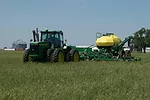
Every grower wants to know how to make cover crops pay off on their farm but there can be myriad challenges, including climate. One approach is interseeding covers into standing corn to increase the amount of growing time and benefits rendered by covers to farm operations.
Every grower wants to know how to make cover crops pay off on their farm but there can be myriad challenges, including climate. One approach is interseeding covers into standing corn to increase the amount of growing time and benefits rendered by covers to farm operations. (Courtesy of Cover Crop Innovators)
To get a sense of which herbicides can be used before a specific cover crop species and which can’t, Purdue University weed scientist Bryan Young compiled research from the University of Wisconsin, Purdue University, University of Missouri and Penn State University, as well as commercial research conducted by retired University of Illinois Extension agronomist Mike Plumer.
The National No-Tillage Conference returns January 12-15, 2027!Build and refine your no-till system with dozens of new ideas and connections at the 35th Annual National No-Tillage Conference in Indianapolis, Jan. 12-15, 2027. Experience an energizing 4-day agenda featuring inspiring general session speakers, expert-led No-Till Classrooms and collaborative No-Till Roundtables. Plus, Certified Crop Adviser credits will be offered.
The National No-Tillage Conference is always full of great presentations about no-till, cover crops and all things conservation ag and the upcoming 2027 National No-Tillage Conference will be the 35th year of the event.
Family Owned since 1964 – Remlinger Manufacturing was founded by Wilbur Remlinger in 1964 and the family tradition continues today with Wilbur’s grandson being the current CEO/President. Although the business has expanded and diversified, family remains a core value to the company and is evident in the company culture.
Made in USA – Remlinger Manufacturing is proudly located in Kalida, Ohio. We have dealers located across the US and Canada to conveniently serve our customers.
Quality Driven – With over 60 years of producing farm equipment, we continue our tradition of manufacturing high quality attachments and products to serve farmers around the globe.
Byron Seeds LLC is a team of individuals who have a passion for high energy forages, cover crops, and proper farming techniques. Byron personnel seek to understand our clients’ goals so that we may provide the best environment for our clients’ success through research, education, support, and...
Our years of experience and network of dealers make us the ideal choice for your mowing, no-till and horse drawn equipment needs. Use our Dealer Locator to contact your nearest I&J dealer today.