Some herbicides remain in the soil for months after application, so no-tillers must pay attention when selecting seeds & assessing for potential herbicide damage.
Cover Crop Strategies editors encounter a variety of articles, social media posts, podcasts and videos that offer a unique look at various aspects of our great agricultural industry. Here is our favorite content from the past week.
A couple of questions have been recurring this spring, related to the control of ryegrass (annual/Italian) in burndown situations, and the effective termination of cover crops.
As planting season approaches, here are a few best management practices for starting clean in fields with winter cereals that will be harvested for forage or cover crops that will be terminated ahead of planting.
Cover crops are gaining more interest among Midwestern corn and soybean growers looking to improve soil quality, combat compaction, eliminate erosion and maximize soil nutrients.
There is some confusion when it comes to knowing the differences between annual ryegrass and cereal rye. Many confuse these crops because they share the word “rye” in their names. Read more in this article from The Waukon Standard.
"We found that the interseeded ryegrass cover crops had potential to retain as much nitrogen as a post-harvest seeded cereal rye cover crop," says soil health scientist Sarah Isbell.
From seeding to termination, cover crop users and seed companies share their best advice for successfully incorporating cover crops into your operation, regardless of your choice in tillage tools.
Whether a grower is making multiple tillage passes or is a dedicated no-tiller, their reasons for adding cover crops to their operations are probably pretty similar.
Careful consideration of herbicide management for annual ryegrass is needed, particularly given concerns about its potential to become an established and persistent volunteer weed problem
Axel Garcia y Garcia, Associate Professor with the University of Minnesota, shares results from a recent trial conducted using annual ryegrass and crimson clover in corn.
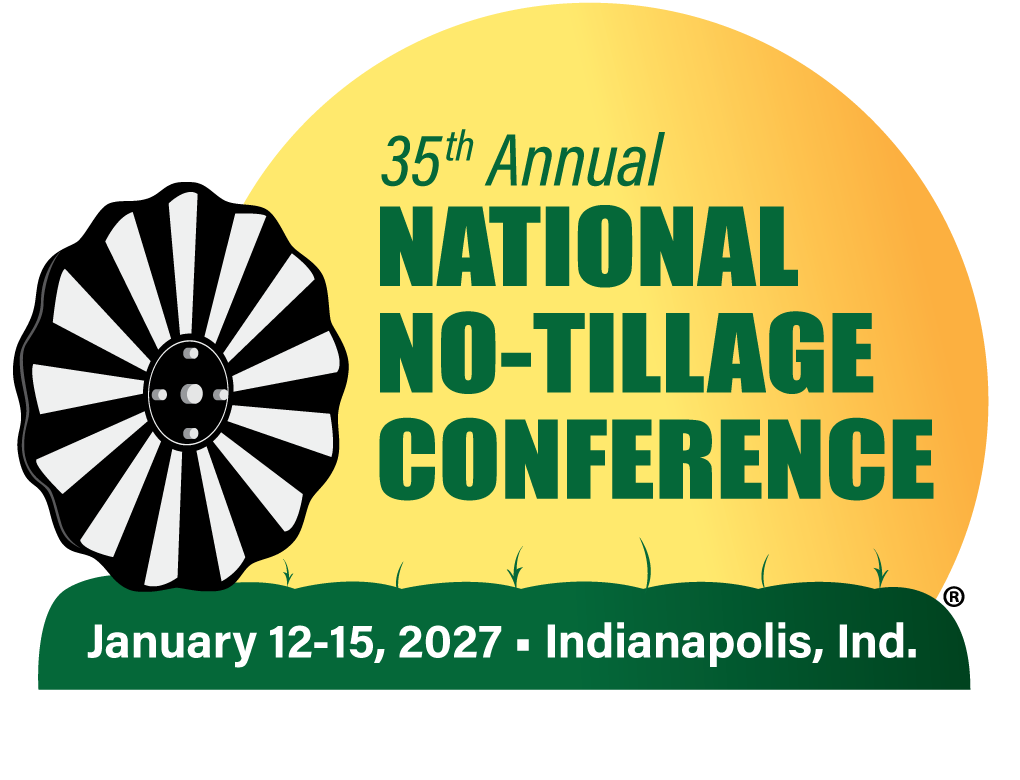
The National No-Tillage Conference returns January 12-15, 2027!Build and refine your no-till system with dozens of new ideas and connections at the 35th Annual National No-Tillage Conference in Indianapolis, Jan. 12-15, 2027. Experience an energizing 4-day agenda featuring inspiring general session speakers, expert-led No-Till Classrooms and collaborative No-Till Roundtables. Plus, Certified Crop Adviser credits will be offered.
In our latest edition of the No-Till Farmer Newsletter, you may have seen our No-Till Innovator Special Report which includes tips and advice from expert no-tillers, agronomists and researchers.
Family Owned since 1964 – Remlinger Manufacturing was founded by Wilbur Remlinger in 1964 and the family tradition continues today with Wilbur’s grandson being the current CEO/President. Although the business has expanded and diversified, family remains a core value to the company and is evident in the company culture.
Made in USA – Remlinger Manufacturing is proudly located in Kalida, Ohio. We have dealers located across the US and Canada to conveniently serve our customers.
Quality Driven – With over 60 years of producing farm equipment, we continue our tradition of manufacturing high quality attachments and products to serve farmers around the globe.
Byron Seeds LLC is a team of individuals who have a passion for high energy forages, cover crops, and proper farming techniques. Byron personnel seek to understand our clients’ goals so that we may provide the best environment for our clients’ success through research, education, support, and...
Our years of experience and network of dealers make us the ideal choice for your mowing, no-till and horse drawn equipment needs. Use our Dealer Locator to contact your nearest I&J dealer today.