Polyculture cover cropping has helped no-tiller Gabe Brown increase soil-organic matter, improve crop yields and reduce fertilizer rates on his North Dakota farm and ranch.
Your cover crop has protected the soil, contributed nutrients and helped enhance soil health. But it has to die for the following crop to reap the benefits.
Bill Murr leverages the soil-building benefits of no-till with strategic nutrient, weed and disease management on his 3,400-acre farm in northeast Kansas.
It was a simple observation that first set Bill Murr on the no-till path. Corn stalks lying in the field held silt that would otherwise wash away, he noticed.
Missouri farmer Jerry Morris says no-till and cover-crop mixes helped him put CRP acres back into crop production and keep his sloping fields from suffering erosion.
Spurred on by a payoff in soil quality and reduced inputs, Missouri no-tiller Bruce Bartlett is overcoming cover-crop challenges to improve his no-till system.
Growing double-crop sunflowers with multiple species has reduced inputs and enhanced primary crop health for Kansas no-tillers Robin and Kelly Griffeth.
Well-designed roller-crimpers, and a good management plan, can help no-tillers and strip-tillers smother weeds, improve soil protection and get the most from high-biomass cover crops.
Rolling and crimping tall cover crops can help no-tillers and strip-tillers plant into heavy residue, preserve moisture and, in some cases, reduce herbicide use.
Continuous no-till is an uncommon practice in southeast Kansas, where tight clay soils can hinder nutrient distribution and the growing environment causes rapid breakdown of residue.
No-tillers must sort through the sales hype and learn more about their seed sources to find economical, effective species and varieties that will accomplish their cover-crop goals.
As more and more no-tillers embrace cover crops, the production of the seed itself has become a rapidly growing industry in which marketing can sometimes outpace performance.
Last summer, when high temperatures in south-central Kansas spiraled above 100 F for several weeks, the benefits of cover crops never seemed so real for no-tillers like Ryan Speer.
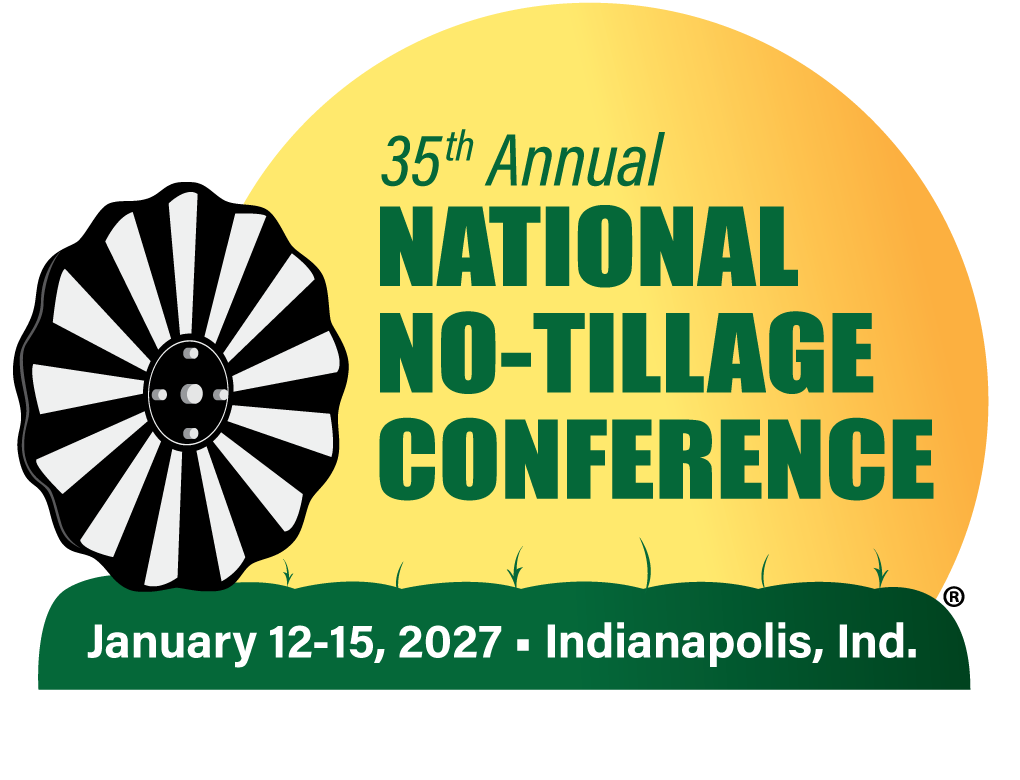
The National No-Tillage Conference returns January 12-15, 2027!Build and refine your no-till system with dozens of new ideas and connections at the 35th Annual National No-Tillage Conference in Indianapolis, Jan. 12-15, 2027. Experience an energizing 4-day agenda featuring inspiring general session speakers, expert-led No-Till Classrooms and collaborative No-Till Roundtables. Plus, Certified Crop Adviser credits will be offered.
This week we are looking at a clip from Cody Hornaday, a technical agronomist with Koch Agronomic Services, as he explains a few tips that no-tillers and cover croppers should keep in mind for unlocking phosphorus in their soils.
Family Owned since 1964 – Remlinger Manufacturing was founded by Wilbur Remlinger in 1964 and the family tradition continues today with Wilbur’s grandson being the current CEO/President. Although the business has expanded and diversified, family remains a core value to the company and is evident in the company culture.
Made in USA – Remlinger Manufacturing is proudly located in Kalida, Ohio. We have dealers located across the US and Canada to conveniently serve our customers.
Quality Driven – With over 60 years of producing farm equipment, we continue our tradition of manufacturing high quality attachments and products to serve farmers around the globe.
Byron Seeds LLC is a team of individuals who have a passion for high energy forages, cover crops, and proper farming techniques. Byron personnel seek to understand our clients’ goals so that we may provide the best environment for our clients’ success through research, education, support, and...
Our years of experience and network of dealers make us the ideal choice for your mowing, no-till and horse drawn equipment needs. Use our Dealer Locator to contact your nearest I&J dealer today.