Grazing

[Video] Cover Crops Species for the Winter Months

This video from University of Arkansas Extension discusses various cover crop species that can provide soil cover, nitrogen production and weed suppression through the winter and into the spring. Find out which species would work for your operation.
Read More

Annual Cover Crops an Additional Forage Source

As a result of a challenging fall harvest and a considerable precipitation deficit, ranchers are considering options to increase their forage supply. "Recent precipitation in portions of North Dakota impacted by drought may make annual forages and cover crops viable forage options for hay production or grazing," says Miranda Meehan, North Dakota State University Extension livestock environmental stewardship specialist.
Read More

USDA Allowing Grazing, Haying or Cutting Cover Crops on Sept. 1

Changes in federal grazing and harvesting rules on prevented-planting acres could help livestock producers in select counties replenish forage supplies, or at least offset shortages in perennial forage production, according to North Dakota State University Extension livestock specialists. Counties that qualify must have 15% or more acres classified as prevented plant. Read more in this press release from North Dakota State University Extension.
Read More

Harvesting Cover Crops for Feed

Many local producers harvested their cereal rye or other winter small grain crops as baleage or haylage. However, some farmers still are looking forward to harvesting those crops for grain and making some much-needed straw as well. Read more in this article from The Daily Record (Wooster, OH).
Read More

Cover Crops Can Help Reduce Forage Shortages

Livestock market complications that reduce calf sales can cause unexpected forage demands. Droughts can compound the problem leading to forage deficiencies, while forage shortages can cause poor animal performance, overgrazed and degraded pastures, and increased expenses. Read more in this article from Southeast AgNet.
Read More

University of Maryland Eastern Shore Researching Cover Crops & Livestock Grazing

The university, in partnership, with the University of California at Davis; University of Minnesota; The Organic Center in Washington, D.C.; and the USDA-Agricultural Research Service in Beltsville, Maryland, were collectively awarded a nearly $1 million grant to “investigate the benefits of livestock integration through cover-crop grazing on bacterial population dynamics, food safety, and soil and environmental health,” said Dr. Fawzy Hashem, a research associate professor in the university’s Department of Agriculture, Food and Resource Sciences. Read more in this article from Lancaster Farming.
Read More

Tips for Developing a Cover Crop Grazing Lease

As ranchers continue with the struggle to find more grazing land to expand their livestock operations, more are looking into growing cover crops for grazing or renting cover crop land from neighboring farmers. Greg Rasmussen started planting cover crops on a piece of farm ground north of Boelus, Neb., several years ago, in an effort to stop soil erosion and improve soil health. Read more in this article from The Fence Post.
Read More
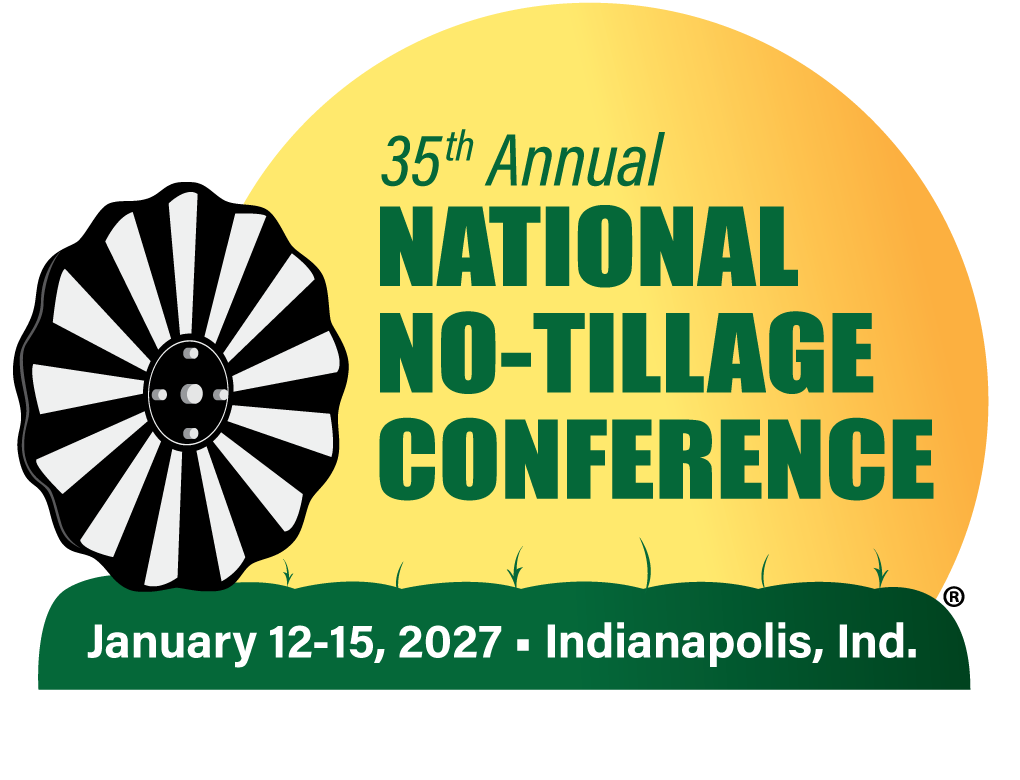
NNTC_Logo_2026_4c_Outlined.png

The National No-Tillage Conference returns January 12-15, 2027! Build and refine your no-till system with dozens of new ideas and connections at the 35th Annual National No-Tillage Conference in Indianapolis, Jan. 12-15, 2027. Experience an energizing 4-day agenda featuring inspiring general session speakers, expert-led No-Till Classrooms and collaborative No-Till Roundtables. Plus, Certified Crop Adviser credits will be offered.

Learn More
Top Articles

Must Read Free Eguides

Download these helpful knowledge building tools

View More
Get all things Cover Crop all the time!

Start Your Membership
Top Directory Listings