
Cover Crop Strategies editors encounter a variety of articles, social media posts, podcasts and videos that offer a unique look at various aspects of our great agricultural industry. Here is our favorite content from the past week:
- What Farmers Need to Change for 2027
- Growing Cover Crops Differently: The Paul Davis Method
- Cover Crop Lessons from the Front Range
- Strip-Tilling Beans into Cereal Rye
- The Fight Against Waterhemp
What Farmers Need to Change for 2027
Dr. Eric Scherder, U.S. Agronomy Leader for Herbicides and Nitrogen at Corteva, returns to the Farm4Profit Podcast to break down the biggest agronomic lessons from the 2026 crop and how those lessons can help farmers build a better plan for 2027. The conversation covers cover crops, fall burndown herbicide applications, tillage decisions, nitrogen management and nitrogen stabilization, herbicide application timing, weed control wins and failures, residual herbicides, application tactics and how See and Spray technology fits into modern crop protection programs.
Growing Cover Crops Differently: The Paul Davis Method
Today’s episode features farmer Paul Davis of New Kent County, Virginia, where he and his family operate their centennial farm. He’s here to share more about his journey with cover crops, from developing “The Paul Davis Method” to the benefits he’s seen on his farm ever since, such as reducing input costs, improving organic matter and weed suppression. Paul has been using cover crops on his acres for the last 20 years. His work as a county extension agent, farmer and participant in on-farm research trials has led to agricultural innovations in cover cropping, soil sampling and the benefits of working with others.
Cover Crop Lessons from the Front Range
In this video, six Colorado Front Range growers describe how their cover crop practices have changed over the last 5-7 years, with more experience. Growers and crops include Paul Schlagel (sugar beets, corn and barley), Bob Condon (corn & pumpkins), Catherine Long Gates (iris rhizomes), Zach Thode (hay and cattle), Steve Olander (barley, alfalfa, wheat, corn and cattle) and Anne Cure (organic vegetables and flowers). Topics include seed drills, seed mixes, livestock needs, termination methods, crop competition, preferred cover crops, diversity, warm and cool season mixes and perennial versus annual cover crops.
Strip-Tilling Beans into Cereal Rye
Back in April, Salisbury Farms in Illinois strip-tilled soybeans into a cereal rye cover crop. After making several planter upgrades over the winter, they closely monitored the seed depth and placement in the spring. Facing a wet spring, the farmers decided to start planting, but got rained out when several tornado-warned storms swept across the area.
The Fight Against Waterhemp
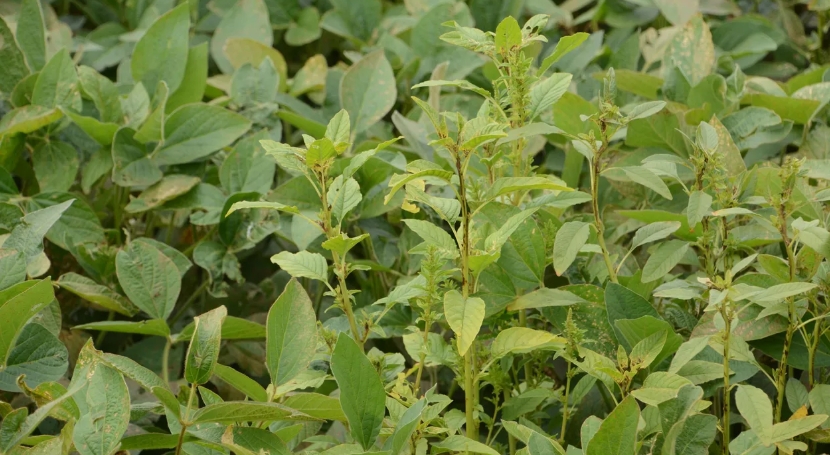
Indiana Certified Crop Advisor panelists gave their input on the growing waterhemp problem, how cover crops can help control weeds and what combination of other weed control practices achieves the best results. Read the full article here!
Is there something you want to share in "This Week"? Send us an email.