Items Tagged with 'pest control'
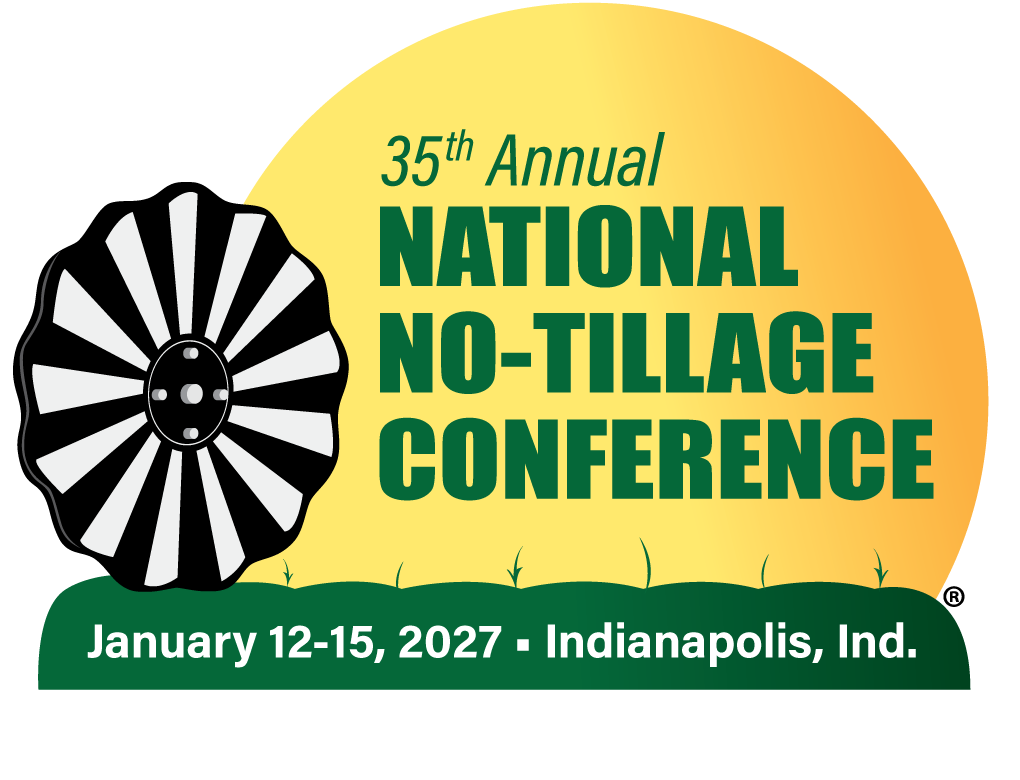
The National No-Tillage Conference returns January 12-15, 2027! Build and refine your no-till system with dozens of new ideas and connections at the 35th Annual National No-Tillage Conference in Indianapolis, Jan. 12-15, 2027. Experience an energizing 4-day agenda featuring inspiring general session speakers, expert-led No-Till Classrooms and collaborative No-Till Roundtables. Plus, Certified Crop Adviser credits will be offered.
Learn MoreTop Articles
Current Issue
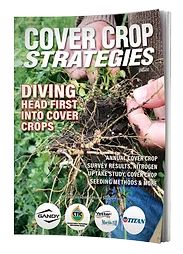
Must Read Free Eguides
Download these helpful knowledge building tools
View MoreVideos
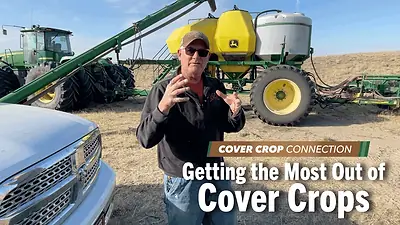
Getting the Most Out of Cover Crops
Last month I had the chance to visit with Douglas Poole on his farm in Waterville, Wash., where he is proving that no-till, cover crops and a regenerative farming system can not only work, but thrive in his part of the country.