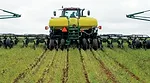

Two crucial factors are limiting weed control options and pushing no-till farmers in the Central Great Plains into a corner: herbicide resistance and water availability.
USDA Secretary Brooke Rollins emphasized the role the NRCS — founded 90 years ago — in supporting farmers through a voluntary transition to regenerative farming practices like no-till, strip-till and planting cover crops.
The Department of Health and Human Services touted the 68-page report generated by a presidential commission as “exposing a range of contributing factors” in childhood chronic disease, including poor diet, accumulation of “environmental toxins,” inadequate physical activity, chronic stress and overmedicalization.”
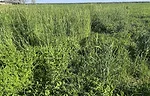
As we head into fall, some producers are thinking about seeding winter cover crops in fields currently planted to corn. This article provides some details about cover crop responses to various herbicides.
After years of research and public comments from the agriculture community, EPA Administrator Andrew Wheeler declared triazines safe for continued use in controlling resilient weeds, according to the Corn Growers Association.
The National No-Tillage Conference returns January 12-15, 2027!Build and refine your no-till system with dozens of new ideas and connections at the 35th Annual National No-Tillage Conference in Indianapolis, Jan. 12-15, 2027. Experience an energizing 4-day agenda featuring inspiring general session speakers, expert-led No-Till Classrooms and collaborative No-Till Roundtables. Plus, Certified Crop Adviser credits will be offered.
Last month I had the chance to visit with Douglas Poole on his farm in Waterville, Wash., where he is proving that no-till, cover crops and a regenerative farming system can not only work, but thrive in his part of the country.