Cover Crops Bolster Systems Approach to No-Till Weed Management
Growers can tackle weed pressure & herbicide resistance with covers and help from many other ‘little hammers’
Read More


The National No-Tillage Conference returns January 12-15, 2027! Build and refine your no-till system with dozens of new ideas and connections at the 35th Annual National No-Tillage Conference in Indianapolis, Jan. 12-15, 2027. Experience an energizing 4-day agenda featuring inspiring general session speakers, expert-led No-Till Classrooms and collaborative No-Till Roundtables. Plus, Certified Crop Adviser credits will be offered.
Learn More
Download these helpful knowledge building tools
View More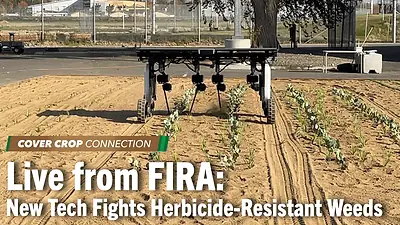
I'm in Yakima, Washington this week at FIRA USA where there's always lots of great ag technology on display. Why don't we go take a look at the newest edition of the Aigen robot. We'll hear from Kenny Lee, the CEO of Aigen.