Items Tagged with 'soybeans'
ARTICLES

Soybean Yield Champ Previews Upcoming National No-Tillage Conference Presentation
Read More
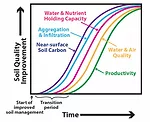
Microbes, Mycorrhizae Key to Understanding Nutrient Content of Cover Crops


The National No-Tillage Conference returns January 12-15, 2027! Build and refine your no-till system with dozens of new ideas and connections at the 35th Annual National No-Tillage Conference in Indianapolis, Jan. 12-15, 2027. Experience an energizing 4-day agenda featuring inspiring general session speakers, expert-led No-Till Classrooms and collaborative No-Till Roundtables. Plus, Certified Crop Adviser credits will be offered.
Learn MoreTop Articles
Current Issue
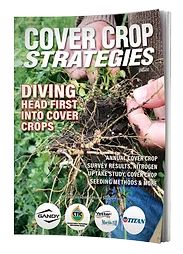
Must Read Free Eguides
Download these helpful knowledge building tools
View MoreVideos
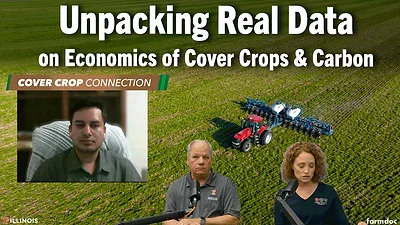
Unpacking Real Data on Economics of Cover Crops & Carbon
Many no-tillers often wonder about the economics of providing carbon services through cover crops. In this webinar from FarmDoc Daily, experts from the University of Illinois and Texas Tech University dive into data from the Precision Conservation Management program to explore the field-level economics of cover crop adoption.