According to a 2001 paper (Land degradation: an overview), it is estimated that the total annual cost of erosion from agriculture in the USA is about $44 billion per year, i.e. about $100 per acre of cropland and pasture. On a global scale, the annual loss of 75 billion tons of soil costs the world about $400 billion per year, or approximately $70 per person per year (Eswaran, H., et. al. 2001). Read more in this article from the Capital Journal (Pierre, SD).
Researchers at the University of Wyoming (UW) are studying sunn hemp as a potential forage crop for producers in the state. This tropical legume, unrelated to industrial hemp and cannabis, is known to perform well under hot growing conditions and add nitrogen into the system. Read more in this article from the Wyoming Livestock Roundup.
Cover crops have been a great tool for many producers across Nebraska as they can be used for managing soil erosion, weeds, moisture accumulation, microbial activity and forage crops for livestock producers. Every producer has different goals while planting their cover crop, the same message rings true for termination. Read more in this article from the Grand Island Independent.
The funding was led by Bunge Ventures, the venture capital arm of US agribusiness firm Bunge. REG Ventures, a subsidiary of US biodiesel producer Renewable Energy Group (REG), also participated in the round. Read more in this article from AgFunder News.
There has been a lot of buzz concerning the carbon credit market. This article from University of Minnesota Extension discusses the importance of carbon and carbon markets, what they can offer producers in the Upper Midwest and what questions you should consider when investigating carbon credits.
Current cool temperatures increase the risk of failures in terminating cover crops. While cereal rye continues to grow during these conditions, activity of herbicides is reduced, says Iowa State University Extension.
Weed control is one of the major challenges that soybean farmers face every year. Crop yields can be reduced by as much as 80% when weeds are left uncontrolled. Read more in this article from Ohio's Country Journal.
An adjustment of conservation standards by the NRCS could prohibit growers from mechanically harvesting cover crops for seed, hay, silage or biomass, potentially hamstringing dairies who rely on covers for additional or emergency forage.
The spring rains and warmer soil temperatures are allowing rye and wheat cover and grain crops to really take off. Questions about termination occur as farmers consider the cost of the cover crop, their goals, and gaining more biomass growth for their investment. Read more in this article from the York News-Times (York, NE).
The National No-Tillage Conference returns January 12-15, 2027!Build and refine your no-till system with dozens of new ideas and connections at the 35th Annual National No-Tillage Conference in Indianapolis, Jan. 12-15, 2027. Experience an energizing 4-day agenda featuring inspiring general session speakers, expert-led No-Till Classrooms and collaborative No-Till Roundtables. Plus, Certified Crop Adviser credits will be offered.
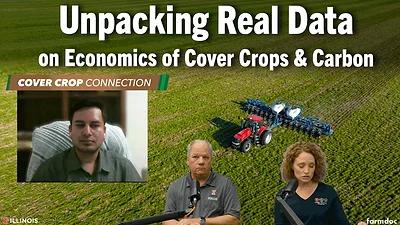
Many no-tillers often wonder about the economics of providing carbon services through cover crops. In this webinar from FarmDoc Daily, experts from the University of Illinois and Texas Tech University dive into data from the Precision Conservation Management program to explore the field-level economics of cover crop adoption.