Weeds are the enemy of every farmer, and those growers who plant cover crops are no exception. However, cover crops can be part of the management strategy to overcome weeds that have become resistant to herbicides, says Pennsylvania cover crop expert Steve Groff. In this week’s podcast, Groff explains which weeds are the worst offenders, how weed types change on the farm, and more.
While the idea might seem a little ‘out there’ in a typical year, 2019 was not a typical year in many states, with weather challenges causing planting, field work and harvesting delays. Cover Crop Coach Steve Groff says there are more opportunities than you think for getting something done in December. Groff will discuss which cover crops can be planted in December with a high degree of success and how growers can use slightly frozen ground to their advantage.
While cover crops are being utilized across the U.S., in all 50 states, adoption has lagged behind a bit in semi-arid climates due to concerns about soil moisture being depleted.
Buying cover crop seed should be a transaction that benefits everyone involved—the grower and the seed dealer. That means asking the right questions to get the product you want and need for your operation. Pennsylvania cover crop expert Steve Groff shares the top 5 questions to ask the next time you buy cover crop seed.
Like all aspects of farming, growing cover crops doesn’t always go as intended. Pennsylvania cover crop expert Steve Groff says that how cover croppers react to failure is critical for learning and doing better the next time. Groff shares ideas on how to deal with several areas where cover cropping can go awry, including weather, herbicides, equipment and management, and shares stories from his own cover crop failures.
Many cover crop species can be used as forage while also providing soil health benefits, says Pennsylvania cover crop expert Steve Groff, including hay, baleage and grazing. The type of cover crops to plant depends on your ultimate goal for those cover crops, as that goal can affect seeding rates, planting dates, and fertility.
Typically, double cropping done after small grains is planting soybeans in wheat stubble, but not always, says Pennsylvania cover crop expert Steve Groff. Some growers plant a crop after barley, oats or other small grain crops, and cover crops are a viable choice for planting in late summer. The amount of precipitation is also a factor in deciding whether to plant cover crops after small grains. The type of cover crop planted can also play a role in helping increase yields the following growing year.
Pennsylvania cover crop expert Steve Groff says that in the past 5-10 years, soil health testing has grown in popularity, but they aren’t a silver bullet for detecting all soil health problems. In this podcast, learn about the different types of soil tests available, what they can measure and why each one is important.
Managing legumes as a cover crop requires smart decision making, says Pennsylvania cover crop expert Steve Groff. From choosing the best nitrogen-producing species and planting legumes as early as possible to using winter hardy selections and planting into green legumes, Groff shares best practices for getting the most out your covers while using less nitrogen.
There are other options for growers besides letting your best soil blow away in the wind, says Pennsylvania cover crop expert Steve Groff. Planting into a standing cover crop can be handled in a variety of ways. Groff explains why your planter should be equipped with a roller crimper, how to evaluate your comfort or experience level with planting green, using the proper seeding rate and more.
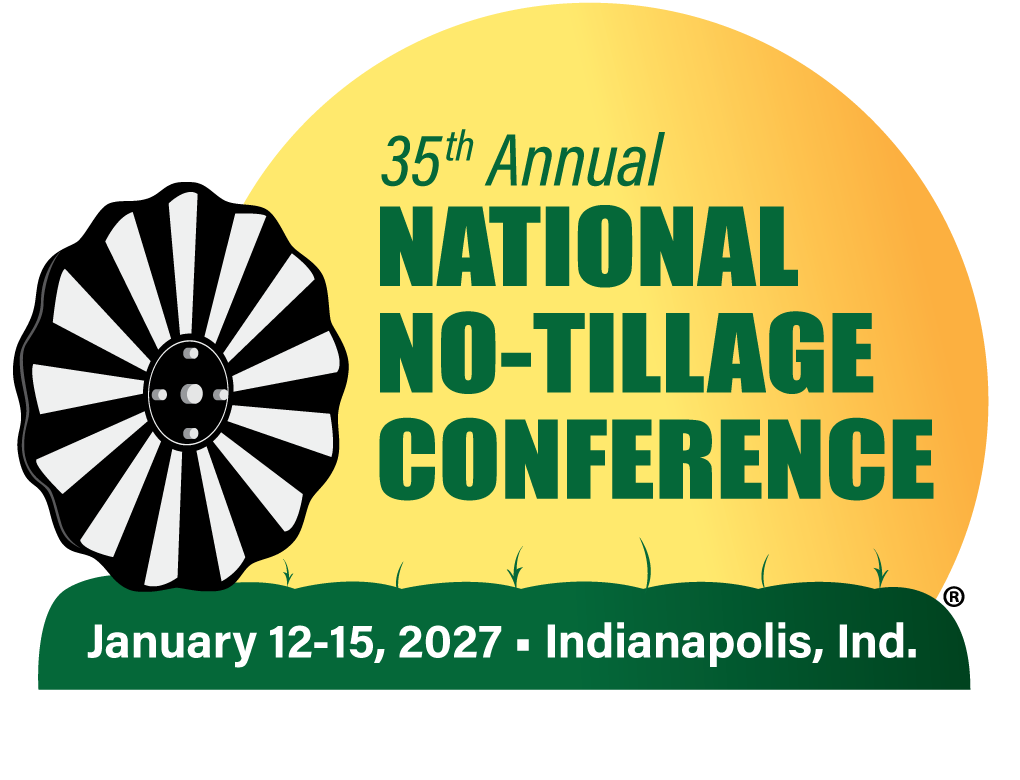
The National No-Tillage Conference returns January 12-15, 2027!Build and refine your no-till system with dozens of new ideas and connections at the 35th Annual National No-Tillage Conference in Indianapolis, Jan. 12-15, 2027. Experience an energizing 4-day agenda featuring inspiring general session speakers, expert-led No-Till Classrooms and collaborative No-Till Roundtables. Plus, Certified Crop Adviser credits will be offered.
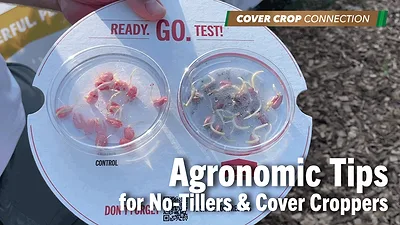
This week we are looking at a clip from Cody Hornaday, a technical agronomist with Koch Agronomic Services, as he explains a few tips that no-tillers and cover croppers should keep in mind for unlocking phosphorus in their soils.
Family Owned since 1964 – Remlinger Manufacturing was founded by Wilbur Remlinger in 1964 and the family tradition continues today with Wilbur’s grandson being the current CEO/President. Although the business has expanded and diversified, family remains a core value to the company and is evident in the company culture.
Made in USA – Remlinger Manufacturing is proudly located in Kalida, Ohio. We have dealers located across the US and Canada to conveniently serve our customers.
Quality Driven – With over 60 years of producing farm equipment, we continue our tradition of manufacturing high quality attachments and products to serve farmers around the globe.
Byron Seeds LLC is a team of individuals who have a passion for high energy forages, cover crops, and proper farming techniques. Byron personnel seek to understand our clients’ goals so that we may provide the best environment for our clients’ success through research, education, support, and...
Our years of experience and network of dealers make us the ideal choice for your mowing, no-till and horse drawn equipment needs. Use our Dealer Locator to contact your nearest I&J dealer today.